


Prepare Your Business for Q4: Use Your Numbers to Make Smarter Growth Decisions

If you want Q4 to be different, you can’t keep doing business based on assumptions.
September is the perfect time to pause, look at your numbers, and ask yourself one important question:
“What is my business actually telling me?”
Before you start setting new goals, launching new products, applying for funding, or spending more money on marketing, you need to understand where your business stands right now.
Your numbers can tell you what is working, what isn’t, and where you should focus your energy for the rest of the year.

Why September Is the Perfect Time to Review Your Business
The fourth quarter is an important opportunity for many businesses. It can bring increased consumer spending, year-end sales, holiday demand, and opportunities to finish the year strong.
But you don’t want to enter Q4 with a strategy based solely on what you think is happening in your business.
Instead, take a step back and review your year-to-date performance.
Looking at your business from January through August gives you valuable information that can help you make more strategic decisions for the final four months of the year.
Think of this review as a business check-in.
Before deciding where you’re going, you need to understand where you are.
Start With Your Year-to-Date Numbers
One of the most important things you can do this September is review your business performance.
Here are five areas you should examine.
1. Revenue
How much money has your business actually generated?
Start by reviewing your total revenue from January through August.
Don’t simply look at your bank account balance. Your bank balance does not necessarily tell you how much revenue your business generated.
Look at your actual sales and revenue records.
Then ask yourself:
Is revenue increasing or decreasing?
Which months performed the best?
Are there noticeable seasonal trends?
Which products or services contributed the most revenue?
Are you on track to meet your annual revenue goals?
Understanding your revenue gives you a clearer picture of your business's financial performance.
2. Expenses
Where is your money going?
Revenue is only one part of the equation.
You also need to understand your expenses and identify where your money is being spent.
Review your major expenses and ask yourself whether they are contributing to business growth or simply keeping you busy.
Consider expenses such as:
Marketing and advertising
Software and subscriptions
Payroll and contractors
Inventory
Rent and utilities
Professional services
Equipment and supplies
Not every expense is bad. The goal is to determine whether your spending is intentional and producing value.
Ask yourself:
“Is this expense helping my business move forward?”
If the answer is no, it may be time to reconsider it.
3. Profit
Revenue isn’t the same thing as profit.
This is one of the most important financial concepts every business owner should understand.
You could generate $100,000 in sales and still have very little money left over if your expenses are too high.
That’s why looking only at revenue can give you an incomplete picture of your business.
Review your profit and ask:
How much did I actually keep after expenses?
Is my profit margin improving?
Which products or services are the most profitable?
Are some offerings generating revenue but very little profit?
What can I change to improve profitability?
Your goal shouldn’t simply be to generate more sales.
Your goal should be to build a business that generates healthy, sustainable profit.
4. Identify Your Best-Selling Products or Services
What is actually making you money?
Your Q4 strategy should be based on what your customers are already buying—not simply what you think they might want.
Look at your sales data and identify your strongest-performing products or services.
Then ask:
What are customers purchasing most frequently?
Which products generate the most revenue?
Which services have the highest profit margins?
Are there opportunities to bundle or upsell these offerings?
Can you increase your marketing efforts around your best performers?
Sometimes the best growth strategy isn’t creating something completely new.
It’s doing more of what is already working.
5. Identify Slow-Moving Products or Services
What isn’t working?
Business owners often focus heavily on what they should add.
But sometimes growth comes from deciding what to remove.
Review your slow-moving products and services and determine whether they are worth continuing.
Ask yourself:
Is there still demand for this offering?
Is it profitable?
Does it take too much time or resources to maintain?
Can it be improved?
Should it be discontinued?
Eliminating something that isn’t producing results can free up your time, money, and energy for opportunities that have greater potential.
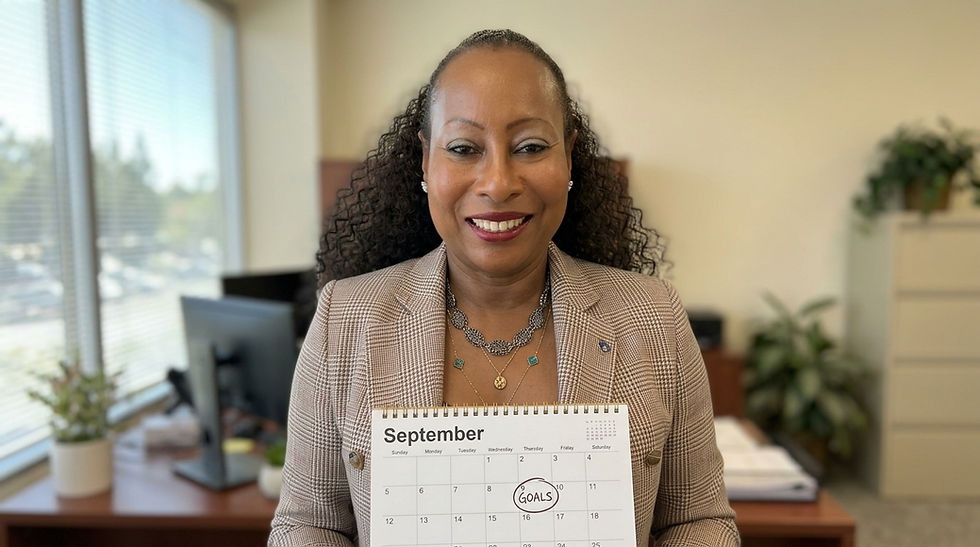
Your September Business Assignment
Now it’s time to turn your numbers into action.
Take some time this week to review your business and answer these five questions:
What has generated the most revenue?
What has generated the most profit?
What expenses need to be reduced?
What products or services should I promote more?
What needs to change before Q4 begins?
Don’t plan your future based on feelings.
Plan it based on information.
Your numbers aren’t there to discourage you. They’re there to give you clarity.
What If Your Numbers Aren’t Where You Want Them to Be?
Maybe your revenue is lower than expected.
Maybe your expenses are too high.
Maybe your profit margins aren’t where you want them to be.
Or maybe the product you thought would be a big success simply isn’t selling.
That’s okay.
You still have four months left in the year to make a strategic move.
The important thing is to identify the problem now rather than waiting until the end of December to realize something needs to change.
Your numbers give you an opportunity to make informed decisions while there is still time to act.
Turn Your Numbers Into a Q4 Strategy
Once you understand your year-to-date performance, you can begin building a more intentional Q4 strategy.
For example, you may discover that:
One product generates significantly more profit than the others.
A particular service has strong demand but needs better pricing.
Your marketing expenses are high without producing enough sales.
One customer segment is significantly more profitable than another.
Certain products are taking up resources without generating meaningful returns.
These insights can influence your Q4 decisions.
Instead of asking:
“What should I do next?”
You can ask:
“Based on what my business is telling me, what should I do next?”
That is a much more strategic question.
Stop Being Busy and Start Being Intentional
Being busy doesn’t necessarily mean your business is growing.
You can spend countless hours creating content, responding to emails, launching products, attending meetings, and working on your business without actually moving closer to your goals.
The difference comes down to intentionality.
When you understand your numbers, you can prioritize the activities that actually contribute to revenue, profitability, and sustainable growth.
Your data can help you determine where to focus—and just as importantly, where to stop wasting resources.
Your Next Move Starts With Clarity
Before you start planning for next year, take the time to understand what happened this year.
Review your numbers.
Identify your strengths.
Recognize your weaknesses.
Cut unnecessary expenses.
Double down on what is working.
And make strategic changes where they are needed.
You don’t need to wait until January to make a plan.
You can start building your next level now.
If you need help figuring out what needs to change so you can move beyond where you’ve been stuck, that’s exactly what we work on inside the Beyond the Plateau Coaching Program.
Your business doesn’t need more activity just for the sake of being busy.
It needs clarity, strategy, and intentional action.
Start with the numbers. Understand what they’re telling you. Then use that information to make your next move.


Comments